can diabetes insipidus cause weight gain How to treat central diabetes insipidus
Diabetes Insipidus and the Potential Link to Weight Gain Diabetes insipidus is a rare condition that affects the body’s ability to regulate water and fluid balance. Unlike diabetes mellitus, which is characterized by high blood sugar levels, diabetes insipidus is caused by a deficiency of vasopressin or antidiuretic hormone (ADH). This hormone is responsible for controlling the kidneys’ ability to reabsorb water. When there is a lack of ADH, the kidneys excrete large amounts of dilute urine, leading to dehydration and an imbalance in electrolytes. While weight gain isn’t a typical symptom of diabetes insipidus, there may be a link between this condition and the potential for weight gain. Understanding this connection may help those with diabetes insipidus better manage their weight and overall health. The Link Between Diabetes Insipidus and Weight Gain One possible reason for weight gain in those with diabetes insipidus is related to thirst. People with diabetes insipidus often experience an insatiable thirst as a result of the frequent urination caused by the condition. Drinking more fluids, particularly sugary or high-calorie drinks, can lead to weight gain. Another contributing factor could be related to the hormone imbalances caused by diabetes insipidus. ADH is also involved in regulating metabolism and controlling hunger. Without enough ADH, the body’s metabolism may slow down, leading to weight gain. Additionally, a lack of ADH may interfere with the body’s ability to signal when it’s full, leading to overeating and unnecessary weight gain. Managing Diabetes Insipidus and Weight Gain For those with diabetes insipidus, managing their fluid and electrolyte balance is crucial for overall health and wellness. This includes drinking plenty of water and electrolyte-rich fluids, and avoiding sugary or high-calorie drinks. A healthy and balanced diet is also essential, including plenty of fresh fruits and vegetables, lean proteins, and whole grains. Exercise is another important component of managing weight with diabetes insipidus. Regular physical activity not only promotes weight loss and weight management, but it also helps boost metabolism and maintain healthy hormone balance. Incorporate activities and exercises that you enjoy, such as yoga, walking, jogging or swimming, for best results. In some cases, medication may be necessary to manage diabetes insipidus. Desmopressin is a synthetic form of ADH that can be administered as a nasal spray or injection. This hormone replacement therapy can help reduce excessive urine output and lessen symptoms like thirst and dehydration. Conclusion While diabetes insipidus is a rare condition, it can have significant impacts on overall health and wellness. Understanding the potential link between diabetes insipidus and weight gain can help those with the condition better manage their symptoms and maintain a healthy weight. With a balanced diet, regular exercise, and proper medical treatment, those with diabetes insipidus can live healthy and full lives.
If you are looking for Explain The Difference Between Diabetes Mellitus And Diabetes Insipidus you’ve visit to the right place. We have 5 Pics about Explain The Difference Between Diabetes Mellitus And Diabetes Insipidus like Explain The Difference Between Diabetes Mellitus And Diabetes Insipidus, How To Treat Central Diabetes Insipidus - how to treat diabet and also Can Diabetes Insipidus Cause Weight Gain | DiabetesTalk.Net. Read more:
Explain The Difference Between Diabetes Mellitus And Diabetes Insipidus
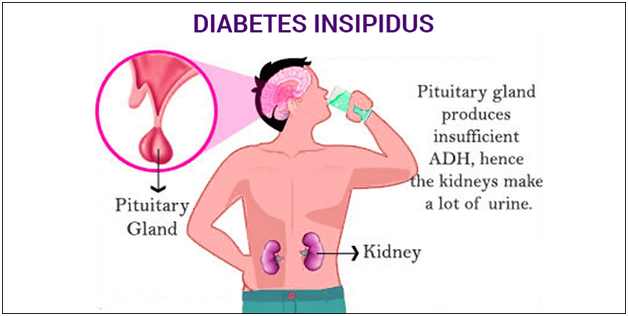 deathhealth.blogspot.cominsipidus mellitus diagnosis
Can Diabetes Insipidus Cause Weight Gain | DiabetesTalk.Net
 diabetestalk.netCan Diabetes Insipidus Cause Weight Gain | DiabetesTalk.Net
 diabetestalk.netHow To Treat Central Diabetes Insipidus - How To Treat Diabet

Can Diabetes Insipidus Cause Weight Gain | DiabetesTalk.Net
 diabetestalk.netCan diabetes insipidus cause weight gain. Insipidus mellitus diagnosis. Insipidus neurological disorders acquired pituitary